Living Happy

In the landscape of education, where knowledge exchange plays a pivotal role, cooperative learning emerges as a beacon of engagement and collaboration. It’s not just a method; it’s a transformative approach that harnesses the power of interdependence to promote deeper understanding and lifelong learning.
Cooperative learning isn’t merely a technique; it’s an investment in the future of our students, empowering them with skills essential for success in an increasingly interconnected world. But as with any pedagogical approach, challenges may arise.
This article aims to delve into the intricacies of cooperative learning, exploring its benefits, common pitfalls, and effective implementation strategies. By embracing cooperation in the classroom, we unlock a world of transformative learning experiences, nurturing well-rounded individuals ready to tackle future endeavors with confidence and collaboration.
Why Cooperative Learning?
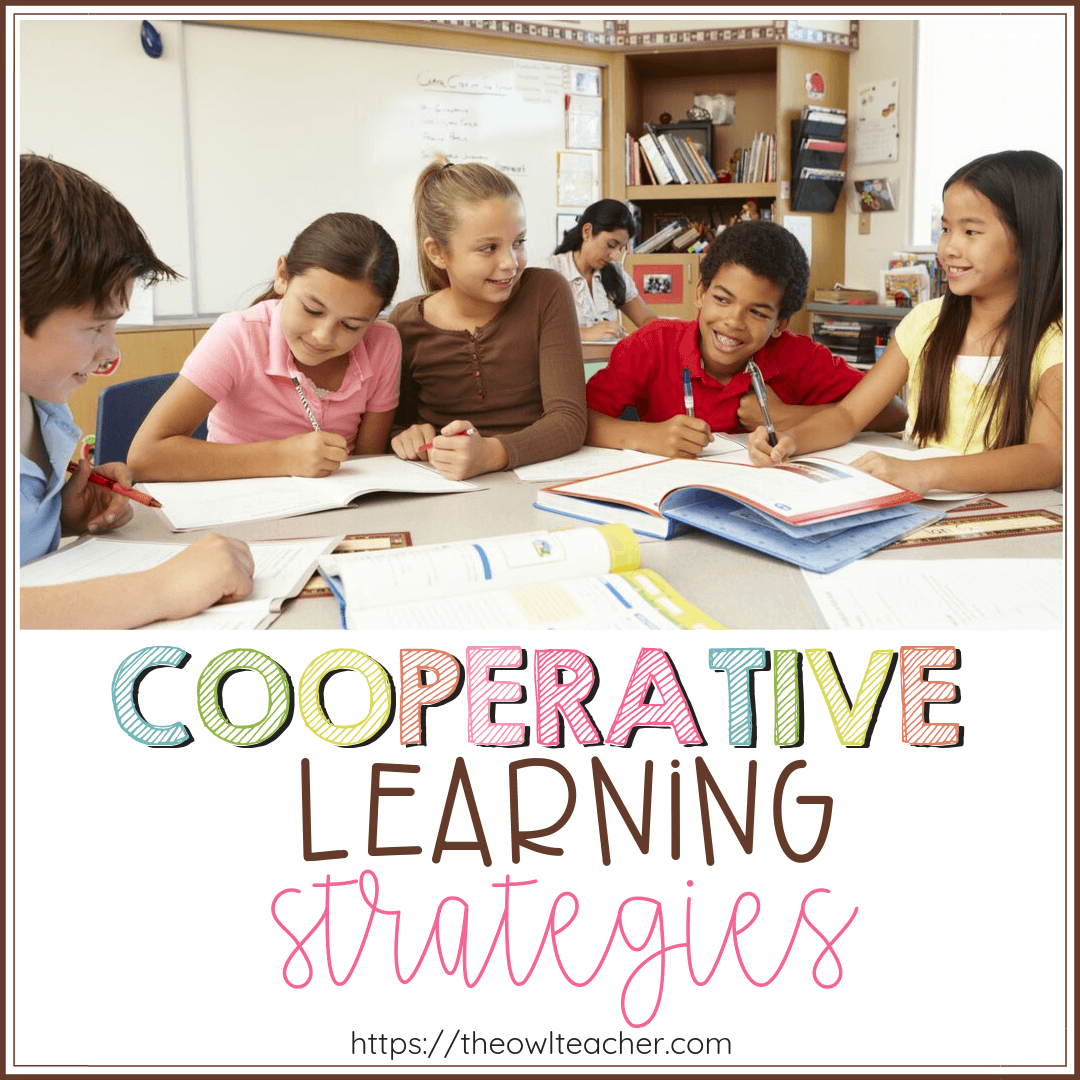
Cooperative learning is a teaching method that emphasizes group work among students. The method has gained traction in recent years due to its numerous benefits.
Cooperative learning promotes the development of social skills, communication skills, and critical thinking skills.
It also helps students retain information better and increases their motivation.
Benefits of Cooperative Learning
Enhanced Social Skills: Cooperative learning provides students with opportunities to interact with their peers and develop essential social skills such as collaboration, communication, and empathy.
Improved Communication Skills: Cooperative learning requires students to communicate their ideas, thoughts, and opinions effectively.
This helps them develop better communication skills, both verbal and non-verbal.
Increased Critical Thinking Skills: Cooperative learning encourages students to engage in critical thinking by discussing and analyzing different perspectives and ideas.
Better Retention of Information: When students actively participate in learning, they retain information better.
Cooperative learning promotes active participation and hands-on experiences, which aids in better retention.
Increased Motivation: Cooperative learning fosters a sense of belonging and support among students. This increased motivation leads to greater engagement and interest in learning.
How to Implement Cooperative Learning
To implement cooperative learning effectively, follow these steps:
Create Groups: Divide students into small groups of 3-4 members, ensuring a mix of abilities and personalities.
Establish Roles: Assign specific roles within each group, such as leader, recorder, and presenter, to promote different responsibilities.
Set Clear Goals: Define specific learning objectives and expectations for the group project.
Provide Resources: Ensure that students have access to the necessary resources and materials they need to complete the task.
Monitor and Evaluate: Regularly check in with groups to provide feedback and assess their progress toward the learning objectives.
Types of Cooperative Learning
There are various types of cooperative learning, each with its own approach and benefits:
Jigsaw: Students become experts in different parts of the material and then teach it to their peers.
Think-Pair-Share: Students work individually, then pair up to discuss ideas, and finally share with the class.
Team-Based Learning: Students work on real-world projects in teams, with each member responsible for a specific task.
Role-Playing: Students take on different roles within a scenario, such as a historical event or a fictional situation.
Evaluating Cooperative Learning
To evaluate the effectiveness of cooperative learning, consider the following:
Student Engagement: Observe students’ involvement, participation, and level of enthusiasm during group work.
Group Dynamics: Assess how well students collaborate, communicate, and resolve conflicts within their groups.
Achievement: Measure students’ knowledge and understanding of the material covered through assignments, tests, and projects.
Self-Assessment: Ask students to reflect on their learning and identify areas for improvement in future cooperative learning experiences.
Conclusion
Cooperative learning is a valuable teaching method that offers numerous benefits for students. By implementing cooperative learning strategies effectively, educators can create a positive and supportive learning environment that fosters social, cognitive, and motivational growth.
Challenges in Implementing Cooperative Learning
While cooperative learning offers many benefits, it’s not without its challenges. Here are some common obstacles:
Free-Riding: Some students may take advantage of cooperative learning by not actively participating and relying on others to do the work.
Domination by a Few: In some groups, a few students may dominate the discussion, preventing others from fully participating.
Lack of Accountability: Students may feel less accountable for their individual contributions in a group setting.
Time Constraints: Cooperative learning can be time-consuming, especially for larger groups or more complex tasks.
Overcoming Challenges in Cooperative Learning
To overcome these challenges, educators can implement the following strategies:
Clear Expectations: Set clear expectations for group work, including roles, responsibilities, and participation requirements.
Individual Reflection: Assign individual reflection tasks to hold students accountable for their contributions.
Group Assessment: Use group assessments that evaluate both individual and collective performance.
Time Management: Plan activities carefully to ensure that groups have sufficient time to complete their tasks.
Assessment in Cooperative Learning
Assessment in cooperative learning goes beyond evaluating individual knowledge and understanding. It also involves assessing group dynamics and student collaboration.
Peer Assessment: Students evaluate the contributions of their peers in group work.
Self-Assessment: Students reflect on their own participation and areas for improvement.
Teacher Observation: Educators observe group interactions and provide feedback on collaboration and group processes.
Product Assessment: The quality of the group’s final product or presentation is used as a measure of learning.
Benefits of Assessment in Cooperative Learning
Assessment in cooperative learning serves several purposes:
Provides Feedback: Regular feedback helps students identify strengths and areas for growth in their collaboration and communication skills.
Promotes Accountability: Assessment holds students accountable for their individual contributions and encourages active participation.
Improves Group Dynamics: Feedback from peer assessments and self-reflections helps groups address challenges and improve their work processes.
Informs Instruction: Assessment data can inform instructional decisions and help educators tailor cooperative learning experiences to meet student needs.