Living Happy

As the building blocks of future societies, children and their development hold immense significance for us all. Child development, encompassing the physical, mental, and emotional growth of a human being from infancy to adolescence, is a multifaceted and ever-evolving journey.
Every milestone, every experience, and interaction shapes a child’s development, influencing who they will become as individuals and as members of our collective society. Understanding this complex and crucial process is not just for parents or educators but for anyone who cares about the well-being of the next generation and the future of our world.
Child Development: A Comprehensive Overview
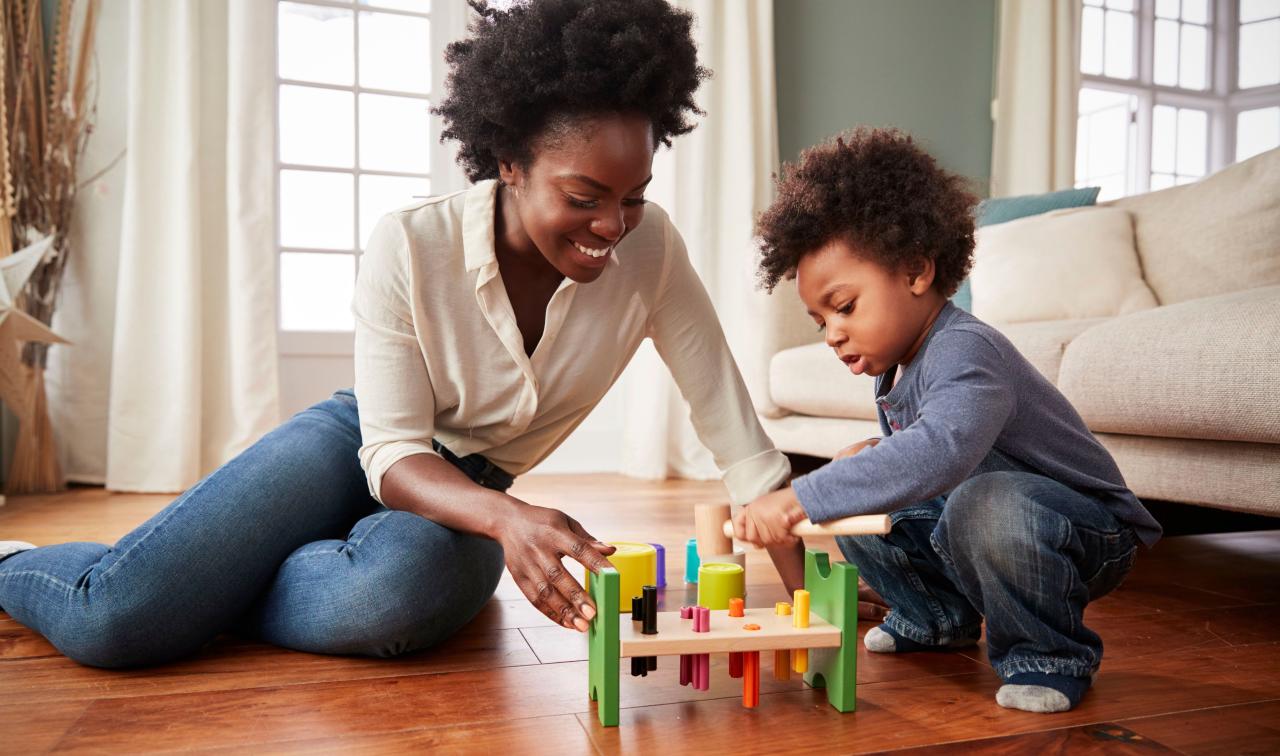
Child development encompasses the physical, cognitive, emotional, and social changes that occur from infancy to adolescence. It’s a complex process influenced by a myriad of factors, including genetics, environment, and experiences. Understanding child development is crucial for parents, educators, and healthcare professionals to foster optimal growth and well-being.
Physical Development
Physical development in children involves rapid changes in height, weight, and body composition. Infants experience substantial growth in the first year, followed by a gradual increase in growth rate until adolescence. Puberty marks a significant spurt of growth and physical changes, leading to the development of secondary sexual characteristics and increased muscle mass in boys and girls.
Nutritional needs vary throughout childhood, and a balanced diet is essential for supporting healthy growth.
Cognitive Development
Cognitive development encompasses the development of intellectual abilities, including problem-solving, memory, attention, and language. Infants start with basic reflexes and gradually develop higher-order thinking skills through exploration and interaction. Language development plays a pivotal role in cognitive development, as children learn to communicate their thoughts and emotions.
Emotional Development
Emotional development involves the emergence and regulation of emotions. Infants express their emotions through crying and smiling, and as they grow, they develop a wider range of emotional responses. Emotional regulation skills, such as the ability to manage stress and cope with challenges, are crucial for healthy development.
Attachment to caregivers provides a secure emotional foundation, while peer relationships foster social and emotional growth.
Social Development
Social development encompasses interactions with others and the development of social skills. Infants form primary attachments to caregivers and gradually develop social relationships with peers. Play is a crucial aspect of social development, as it promotes cooperation, communication, and problem-solving skills.
Developmental Stages
Child development progresses through distinct stages, each characterized by unique developmental tasks and challenges. These stages include:
Infancy (birth to 18 months): Rapid physical and cognitive growth; development of basic motor skills, language, and social interactions.
Toddlerhood (18 months to 3 years): Increased independence and mobility; development of self-regulation skills, language proficiency, and social awareness.
Preschool (3 to 5 years): Further cognitive and social development; mastery of basic skills, such as reading and writing; increased self-expression and creativity.
Middle childhood (6 to 12 years): Cognitive development focuses on concrete operations; development of social skills, including cooperation and empathy; increased academic and extracurricular activities.
Adolescence (12 to 19 years): Major physical, cognitive, and emotional changes; development of abstract thinking, identity formation, and increased independence.
Factors Influencing Child Development
Child development is influenced by a complex interplay of factors, including:
Genetics: Inherited traits can influence physical characteristics, cognitive abilities, and certain personality traits.
Environment: The physical, social, and cultural surroundings play a significant role in development, providing opportunities for learning, socialization, and emotional well-being.
Experiences: Interactions with caregivers, peers, and the world around them shape children’s development and influence their behavior, beliefs, and attitudes.
Nutrition: A balanced diet provides essential nutrients for healthy growth and development.
Health: Chronic illnesses or disabilities can impact physical, cognitive, and emotional functions.
Promoting Healthy Child Development
Fostering healthy child development requires a collaborative effort from parents, educators, healthcare professionals, and the community. Key strategies include:
Nurturing Relationships: Strong and secure relationships with caregivers provide a foundation for emotional and social development.
Positive Learning Environments: Environments that encourage exploration, creativity, and social interaction support cognitive and developmental growth.
Adequate Nutrition: A balanced diet ensures children receive the nutrients they need for optimal growth and well-being.
Health Promotion: Regular checkups and preventive measures help ensure children’s physical and mental health.
Early Intervention: Timely identification and support for children with developmental delays or challenges can significantly improve outcomes.
Cognitive Development: Key Milestones and Skills
Cognitive development refers to the development of intellectual abilities and problem-solving skills in children. Key milestones and skills associated with cognitive development include:
- Object permanence (6-9 months): Understanding that objects continue to exist even when they are not visible.
- Symbolic play (18-24 months): Using objects to represent other things, fostering imagination and creativity.
- Problem-solving (24-36 months): Finding solutions to simple problems, demonstrating logic and critical thinking.
- Language development: Rapid acquisition of vocabulary, grammar, and sentence structure.
- Memory and attention (3-5 years): Improved ability to remember and focus, supporting learning and problem-solving.
Cognitive Theories and Approaches
Various theories and approaches have been proposed to explain cognitive development in children:
- Piaget’s Cognitive Developmental Theory: Proposes distinct stages of cognitive development, each characterized by specific thought patterns and reasoning abilities.
- Vygotsky’s Social Constructivist Theory: Emphasizes the role of social interaction and cultural context in shaping cognitive development.
- Sternberg’s Triarchic Theory of Intelligence: Proposes three types of intelligence: analytical, creative, and practical.
Emotional Development: Expression, Regulation, and Socialization
Emotional development involves the emergence, expression, and regulation of emotions in children. Key aspects of emotional development include:
- Emotional Expression: Infants communicate emotions through crying, smiling, and body language.
- Self-Regulation: Developing the ability to manage and control emotions, including coping with stress and negative emotions.
- Empathy and Perspective-Taking: Understanding and experiencing the emotions and perspectives of others.
- Socialization of Emotions: Learning cultural norms and expectations regarding emotional expression and regulation.
- Feel loved, valued, and protected.
- Develop a sense of trust and self-worth.
- Learn to regulate their emotions and form healthy relationships.
- Play: A crucial aspect of socialization, fostering cooperation, communication, and problem-solving skills.
- Peer Relationships: Developing friendships and relationships with peers, learning about social norms and behaviors.
- Prosocial Behavior: Engaging in helping and sharing behaviors, demonstrating empathy and concern for others.
- Social Cognition: Understanding social cues, intentions, and interactions.
- Developing imagination and creativity.
- Learning social roles and behaviors.
- Expressing emotions and exploring relationships.
- Building self-confidence and resilience.
Attachment and Its Impact on Emotional Development
Secure attachment to caregivers is crucial for healthy emotional development. Children with secure attachments:
Social Development: Play, Relationships, and Social Skills
Social development refers to the development of social interactions, relationships, and social skills in children. Key aspects of social development include:
The Importance of Play in Social Development
Play provides children with opportunities for: