Living Happy
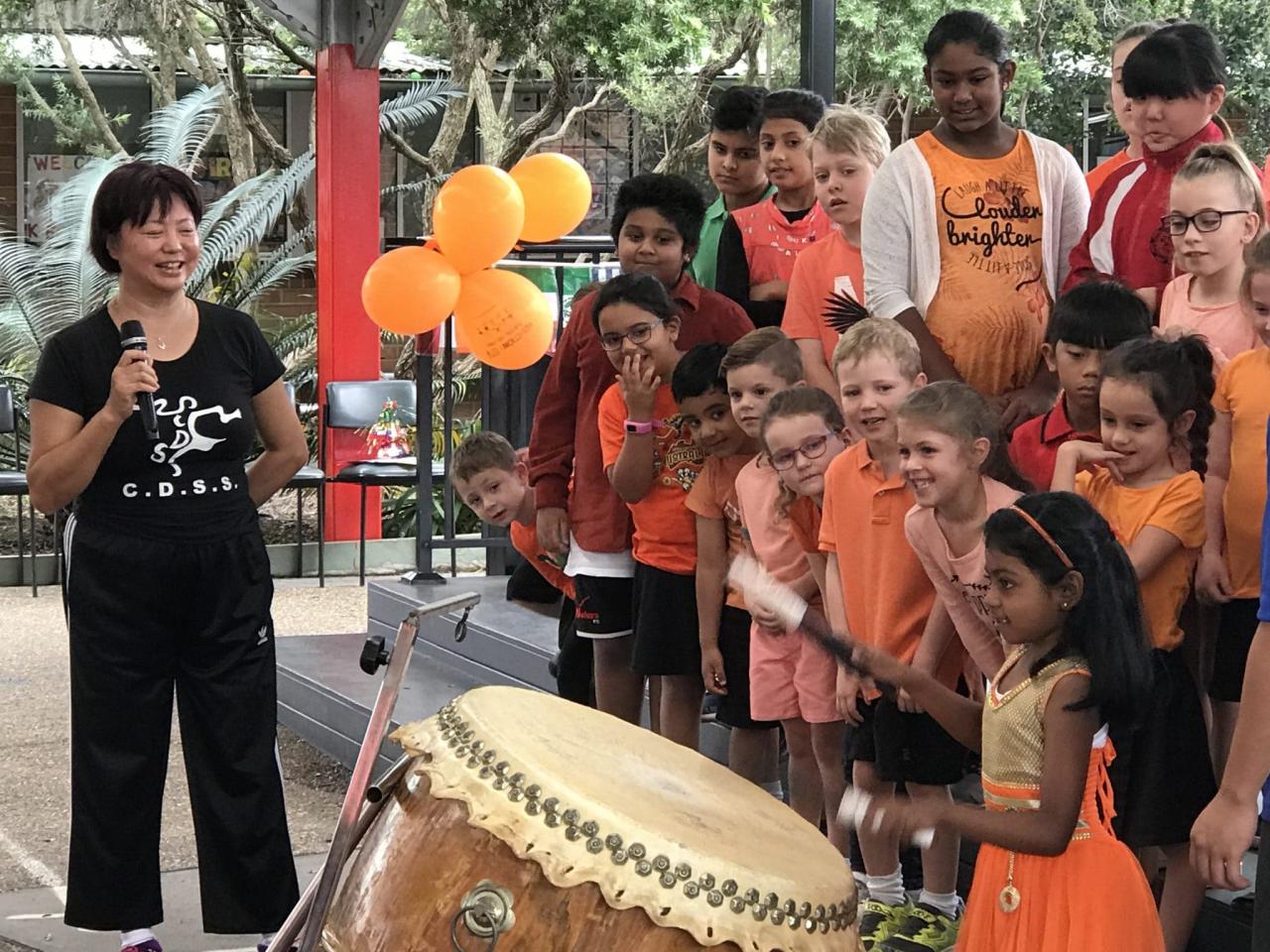
Multicultural education is about celebrating and learning from the diversity that exists in our classrooms and communities. It is no longer a question of whether or not we should incorporate multicultural education into our curriculum, but rather how we can do so in a way that is meaningful and effective.
By incorporating diverse perspectives, experiences and voices, we are not only increasing cultural awareness and sensitivity but also fostering critical thinking skills, empathy, and respect for others. As we navigate an increasingly interconnected world, students equipped with these tools will be better prepared to face the challenges and seize the opportunities that await them.
Multicultural Education: Fostering Inclusive and Equitable Learning
Defining Multicultural Education
Multicultural education encompasses a range of approaches aimed at promoting understanding and appreciation of diversity within the educational setting. It acknowledges the unique experiences, perspectives, and cultural backgrounds of all students, creating an inclusive learning environment where every individual feels valued and respected.
Multicultural education promotes critical thinking, cultural awareness, and empathy among students, enabling them to engage with the world around them in an informed and respectful manner.
It encourages the use of diverse teaching materials, pedagogical approaches, and classroom experiences to reflect the multicultural nature of society.
Benefits of Multicultural Education
Multicultural education offers numerous benefits for students, including:
- Enhanced academic achievement and critical thinking skills
- Increased cultural awareness and sensitivity
- Improved social skills and empathy
- Greater tolerance and understanding of different perspectives
- Preparation for a diverse and globalized society
Challenges and Considerations
While multicultural education offers significant benefits, it also presents challenges:
- Curriculum and teaching materials may need to be revised or expanded to incorporate diverse perspectives.
- Educators may require professional development opportunities to enhance their cultural competency.
- Addressing sensitive topics and promoting open dialogue may require careful planning and facilitation.
- It is crucial to avoid tokenism and superficial approaches to multiculturalism.
Strategies for Implementing Multicultural Education
Effective multicultural education implementation requires a comprehensive approach:
- Establish a clear framework and goals for multicultural education.
- Provide professional development opportunities for educators.
- Incorporate diverse perspectives into curriculum and teaching materials.
- Foster a welcoming and inclusive classroom environment.
- Encourage student engagement in projects and activities that promote cultural understanding.
Assessment and Evaluation
Regular assessment is essential to ensure the effectiveness of multicultural education. This includes:
- Evaluating student learning outcomes to determine improved knowledge and skills.
- Assessing changes in student attitudes and behaviors regarding diversity.
- Seeking feedback from stakeholders, including students, parents, and educators, to identify areas for improvement.
- Regularly reviewing and updating multicultural education practices to align with evolving societal needs and best practices.
Understanding Cultural Identity and Self-Perception
Exploring Cultural Identity
Cultural identity is a multifaceted concept that encompasses an individual’s sense of belonging, values, beliefs, and practices rooted in their cultural heritage. Multicultural education recognizes the importance of students understanding their own cultural identity and developing a sense of self-acceptance.
Educators can facilitate this process by creating opportunities for students to explore their own cultural backgrounds, participate in cultural discussions, and appreciate the diversity within their communities.
Promoting Self-Reflection and Empathy
Multicultural education emphasizes self-reflection and empathy as essential components of cultural understanding. Students are encouraged to critically examine their own biases, assumptions, and perspectives.
Through activities such as journaling, simulations, and role-playing, students develop empathy for individuals from different cultural backgrounds and cultivate a greater appreciation for the diversity of human experiences.
Creating a Positive and Inclusive Classroom Culture
Establishing a Welcoming Environment
A positive and inclusive classroom culture is essential for successful multicultural education. Educators strive to create a welcoming environment where all students feel respected, valued, and supported.
This includes using affirming language, displaying culturally diverse materials, and promoting open and respectful dialogue that embraces multiple perspectives.
Addressing Cultural Bias and Stereotypes
Multicultural education actively challenges cultural bias and stereotypes that perpetuate negative or inaccurate representations of different cultural groups.
Students are provided with opportunities to critically evaluate media portrayal, explore historical narratives, and engage in discussions that promote a more nuanced and inclusive understanding of various cultures.
Integrating Multicultural Perspectives into Curriculum and Instruction
Incorporating Diverse Voices and Perspectives
Integrating multicultural perspectives into curriculum and instruction involves incorporating texts, materials, and resources that reflect the experiences and contributions of various cultural groups.
Students are exposed to different worldviews, historical narratives, and cultural traditions, broadening their understanding of the human condition and promoting a more inclusive and comprehensive education.
Developing Culturally Responsive Pedagogies
Effective multicultural education requires educators to develop culturally responsive pedagogies that are tailored to the needs and learning styles of diverse students.
This involves valuing students’ cultural knowledge and experiences, incorporating hands-on and experiential activities, and creating learning environments that are culturally relevant and engaging.
Assessment and Evaluation
Developing Assessment Tools
Creating assessment tools that accurately measure student learning outcomes related to multicultural education is crucial. These tools should evaluate not only content knowledge but also students’ attitudes, perspectives, and empathy.
Examples include reflective essays, cultural self-assessments, and observation checklists that assess students’ interactions with individuals from diverse backgrounds.
Using Multiple Data Sources
To provide a comprehensive evaluation, consider collecting data from multiple sources. This can include student surveys, focus groups, classroom observations, and portfolio assessments.
Triangulating data from various sources helps ensure a more accurate and reliable evaluation of the effectiveness of multicultural education initiatives.
Teacher Professional Development
Importance of Training
Educators play a pivotal role in implementing effective multicultural education. They need opportunities for ongoing professional development to enhance their cultural competency and instructional skills.
Training can focus on topics such as cultural sensitivity, bias recognition, and culturally responsive teaching strategies.
Supporting Educators
Creating a supportive learning environment for educators is essential. This includes providing access to resources, such as workshops, online courses, and mentorship programs, to support their professional development journey.
By supporting educators, schools can foster a culture of continuous learning and improvement in multicultural education.
Collaboration and Partnerships
Engaging with Community Organizations
Partnering with community organizations and cultural institutions can enrich multicultural education. These partnerships can provide access to guest speakers, cultural events, and hands-on experiences that enhance student learning.
Collaborations foster connections between the school and the wider community, promoting a sense of belonging and shared responsibility for education.
Empowering Students and Families
Involving students and families in multicultural education initiatives is crucial. Seek their perspectives, value their cultural experiences, and create opportunities for them to share their knowledge and traditions.
Empowering students and families fosters a sense of ownership and promotes a more inclusive and responsive educational environment.
Future Directions
Emerging Trends and Innovations
Stay abreast of emerging trends and innovations in multicultural education. Explore new technologies, research-based teaching strategies, and initiatives that enhance diversity, equity, and inclusion.
By embracing innovation, educators can continue to evolve multicultural education and meet the evolving needs of students in a rapidly changing world.
Continuing Dialogue and Research
Ongoing dialogue and research are vital for the advancement of multicultural education. Engage in conversations, attend conferences, and support research projects that contribute to a deeper understanding of effective practices and emerging challenges.
Through ongoing dialogue and research, the field of multicultural education can continue to grow and adapt, ensuring that all students have the opportunity to thrive in a diverse and inclusive society.