 Living Happy
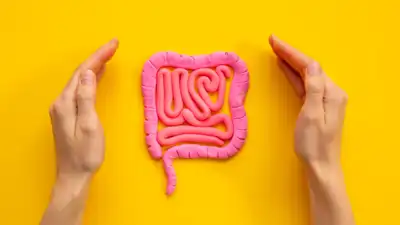
Ever wonder why some people seem to breeze through life, dodging every health bullet, while others constantly battle chronic illnesses? Well, the answer might just lie within you – specifically, in your gut. I’m talking about the gut microbiome, that bustling city of bacteria, fungi, viruses, and other microorganisms living in your digestive tract. It’s not exactly the kind of thing you think about over your morning coffee, but maybe you should. After all, it plays a surprisingly vital role in not just digestion, but also in preventing a whole host of modern lifestyle diseases. It’s almost like this “forgotten organ” is the unsung hero of our overall well-being.
Understanding the Gut Microbiome
Composition and Diversity
Think of your gut as a rainforest, teeming with life. Different types of bacteria, fungi, viruses (yes, even viruses!), and other microorganisms call it home. It’s a whole party down there! What kind of party depends on a lot of things, like your diet, your genes (thanks, Mom and Dad!), your environment, and even the medications you take. And just like any ecosystem, diversity is key. A wide variety of microbes is generally a sign of a healthy, resilient gut. Why? Well, different microbes perform different jobs, from breaking down food to fighting off invaders. Less diversity might lead to imbalances, which, trust me, is never a good thing. It’s like having only one type of player on a sports team – you’re going to have a hard time winning!
Functions of the Gut Microbiome
So, what does this microscopic metropolis actually do for you? A better question might be, what doesn’t it do? It helps you digest food and absorb nutrients, obviously, but it’s also a crucial part of your immune system, acting like a first line of defense against nasty pathogens. It even synthesizes certain vitamins – who knew your bacteria were so helpful? Plus, it produces these things called short-chain fatty acids (SCFAs), which are like little energy boosters for your gut lining, keeping it healthy and happy. Kinda makes you appreciate those little guys, doesn’t it?
The Gut Microbiome and Lifestyle Diseases
Obesity and Metabolic Syndrome
Here’s where things get really interesting. Your gut bacteria can actually influence how your body stores and uses energy. Certain species seem to be associated with obesity and metabolic syndrome, that cluster of conditions that includes high blood pressure, high blood sugar, and unhealthy cholesterol levels. It’s almost like some bacteria encourage your body to hoard fat, while others help you burn it. When your gut microbiome is out of whack – a condition called dysbiosis – it can contribute to insulin resistance and chronic inflammation, both of which are major players in metabolic syndrome. It’s a delicate balancing act, and sometimes the scales tip in the wrong direction.
Type 2 Diabetes
Speaking of insulin resistance, let’s talk about type 2 diabetes. Your gut microbiome plays a role in glucose metabolism, and imbalances can affect your body’s sensitivity to insulin. Some studies suggest that manipulating the gut microbiome could actually be a potential therapy for managing type 2 diabetes. Imagine that! Instead of just relying on medication, you could actually tweak your gut bacteria to help regulate your blood sugar. The future of diabetes treatment might just be in your gut. Seriously, what’s not to love about that? Maybe a daily dose of yogurt will become the new norm? We can only hope…
Cardiovascular Disease
Believe it or not, your gut microbiome can even impact your heart health. It influences cholesterol metabolism, and some bacteria produce a substance called trimethylamine N-oxide (TMAO), which has been linked to an increased risk of heart disease. Plus, your gut bacteria can affect your blood pressure. It’s all connected, you see? Your gut isn’t just some isolated tube; it’s an integral part of your overall cardiovascular system. Makes you think twice about that extra slice of pizza, doesn’t it?
Inflammatory Bowel Disease (IBD)
IBD, which includes Crohn’s disease and ulcerative colitis, is characterized by chronic inflammation of the digestive tract. And guess what? The gut microbiome is a major player in the development of IBD. Specific bacterial species have been implicated in these conditions, and researchers are exploring ways to manipulate the gut microbiome to treat IBD. The idea is to restore balance to the gut ecosystem, reducing inflammation and alleviating symptoms. It’s like bringing in a team of mediators to calm down a heated argument between different groups of bacteria. It’s a long shot, but who knows?
Mental Health
Okay, this is where it gets really mind-blowing (pun intended). There’s this thing called the gut-brain axis, a bidirectional communication network between your gut and your brain. It’s basically a superhighway for signals traveling back and forth. Your gut bacteria can influence the production of neurotransmitters like serotonin and dopamine, which play a crucial role in mood regulation. Emerging evidence suggests a link between gut dysbiosis and mental health conditions like anxiety, depression, and other mood disorders. So, that “gut feeling” you get? It might actually be your gut bacteria influencing your emotions. Suddenly, trusting your gut sounds a lot more scientific.
Strategies for Promoting a Healthy Gut Microbiome
Dietary Interventions
Alright, so how do you keep your gut microbiome happy and thriving? First and foremost, feed it well! A fiber-rich diet is essential for nourishing beneficial gut bacteria. Think fruits, vegetables, whole grains, and legumes. Prebiotics, which are foods that specifically feed gut bacteria, and probiotics, which are live microorganisms themselves, can also be helpful. And, of course, limiting processed foods, sugar, and unhealthy fats is a must. It’s basically the same advice your doctor gives you for everything else, but now you have a microscopic reason to follow it. Eating healthy isn’t just good for your waistline; it’s good for your microbial allies, too.
Lifestyle Modifications
Your lifestyle also plays a significant role in shaping your gut microbiome. Stress, for example, can wreak havoc on your gut, disrupting the delicate balance of bacteria. Regular exercise, on the other hand, has been shown to promote gut health. Getting enough sleep and maintaining a healthy circadian rhythm are also important. It’s all about creating a holistic approach to wellness, where your gut is just one piece of the puzzle. Stress less, move more, sleep well – sound familiar? It’s almost like your body wants you to be healthy!
Antibiotic Use and Gut Health
Antibiotics are life-savers, no doubt. But they can also have a negative impact on gut microbiome diversity, wiping out both good and bad bacteria. It’s like using a bomb to kill a few weeds in your garden. If you have to take antibiotics, it’s important to take steps to restore your gut health afterward. This might involve taking probiotics, eating a gut-friendly diet, and generally being kind to your digestive system. It’s like rebuilding your microbial city after a devastating attack.
Future Directions and Research
Personalized Microbiome Therapies
Imagine a future where dietary and lifestyle interventions are tailored to your individual gut microbiome profile. That’s the promise of personalized microbiome therapies. By analyzing your gut bacteria, doctors could recommend specific foods, supplements, and lifestyle changes to optimize your gut health and prevent disease. It’s like having a personal trainer for your gut bacteria. I think that would be a good idea, myself.
Fecal Microbiota Transplantation (FMT)
Okay, this one might sound a little weird, but it’s showing real promise. Fecal microbiota transplantation (FMT) involves transferring fecal matter from a healthy donor to a recipient with a gut-related disease. It’s essentially a gut bacteria transplant. FMT has been used to treat certain conditions, like recurrent Clostridium difficile infection, and researchers are exploring its potential for other diseases. It’s still early days, but the future of FMT could be, well, transformative.
The Role of the Gut Microbiome in Precision Medicine
Ultimately, understanding the gut microbiome could lead to more targeted and effective treatments for a wide range of diseases. This is the vision of precision medicine, where treatments are tailored to an individual’s unique characteristics, including their gut microbiome. By harnessing the power of our microbial allies, we could unlock new ways to prevent and treat disease. It’s like having a secret weapon in the fight against illness. Seems almost too good to be true, right?
So, there you have it – a whirlwind tour of the gut microbiome and its profound impact on your health. It’s easy to forget about the trillions of microorganisms living within you, but they’re working tirelessly to keep you healthy and happy. Hopefully, now you’ll be more informed and willing to make little changes that can significantly boost your health. It might be as simple as adding more fiber to your diet, managing your stress levels, or just being more mindful of the medications you take. Whatever you do, remember that your gut is your friend, and it deserves a little love. Why not give it some?
