Living Happy
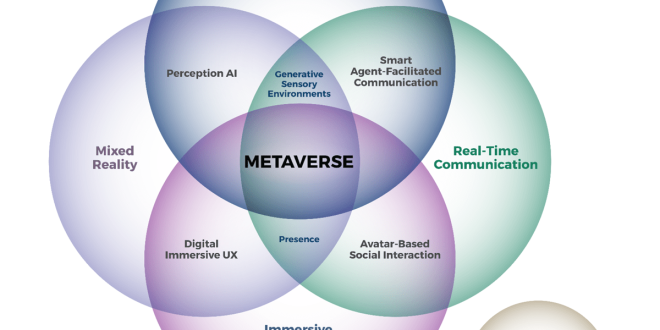
Microsoft and Meta are joining forces to redefine how you work, blending the familiar productivity of Microsoft with the immersive world of Meta Quest. It’s like they’re asking, “Why be stuck at a desk when you can create your workspace anywhere?” This collaboration is set to bring a suite of tools designed to boost how professionals collaborate, create, and get things done, all within the virtual embrace of Meta Quest headsets. It’s not just about playing games anymore; it’s a whole new ball game for productivity.
A Partnership for the Future of Work
Bringing Microsoft 365 to Meta Quest
Imagine firing up your Meta Quest and having all your Microsoft 365 apps right there with you. We’re talking Word, Excel, PowerPoint, Teams – the whole shebang. It’s not just a simple port, though. These apps will be optimized for a spatial environment. Think about manipulating a PowerPoint presentation with your hands, or having multiple virtual monitors for Excel spreadsheets. I’m personally excited to see how this plays out; the potential for a truly immersive workflow is huge.
Enhancing Collaboration in VR
Remote collaboration could get a serious upgrade, too. Instead of just staring at faces on a screen during meetings, you could be in a virtual conference room, collaborating on shared documents in real-time, or even giving interactive presentations that feel, well, more real. It’s almost like teleporting to the same room without the hassle of travel. Makes you wonder if pants will still be required in the metaverse… just kidding (mostly).
Key Features and Functionality
Immersive Productivity Environment
The real magic here is the immersive environment. Forget cramped screens and noisy offices. You’ll potentially have infinite screen real estate, a distraction-free workspace, and laser focus – at least in theory. The idea of being able to create my perfect workspace, anywhere, is incredibly appealing. Imagine a tranquil beach for brainstorming or a futuristic control room for crunching numbers. The possibilities seem endless, but will it actually help me focus? That’s the million-dollar question.
Seamless Integration with Existing Workflows
Here’s the crucial part: how well will all this integrate with your current workflow? Microsoft and Meta are promising a seamless transition, aiming to minimize disruption and maximize efficiency. It would be a nightmare if you had to jump through hoops to get your data into the VR environment. I mean, nobody wants to spend more time fiddling with tech than actually working, right? They need to ensure that all your existing data plays nicely within the new spatial paradigm.
Customization and Personalization
Customization is key. A one-size-fits-all approach just won’t cut it in a virtual world. We’re talking options for customizing your virtual workspace, tailoring the experience to fit your individual preferences. Maybe you want a minimalist workspace with only the essential tools. Or perhaps you’re a maximalist who wants every gadget and gizmo at your fingertips. The level of personalization will really determine how sticky this new way of working becomes.
Benefits for Professionals and Businesses
Improved Productivity and Efficiency
Okay, let’s get down to brass tacks: what are the real benefits? Well, the promise is improved productivity and efficiency. The idea is that with a more immersive and customizable workspace, you’ll be able to get more done in less time. Fewer distractions, more screen real estate – it all adds up, at least on paper. But, the real test is how it translates into real-world results.
Enhanced Collaboration and Communication
Collaboration and communication could also get a shot in the arm. Think about the potential for more engaging virtual meetings, more effective brainstorming sessions, and a stronger sense of connection with remote team members. It’s about making remote work feel less remote, and more like you’re actually in the same room.
Cost Savings and Reduced Travel
And then there’s the potential for cost savings. Less travel, smaller office spaces, reduced overhead – it all adds up. If you can effectively collaborate in VR, do you really need to fly everyone to headquarters for a meeting? Maybe not. It’s a win-win for both the environment and the bottom line.
Challenges and Considerations
Hardware Requirements and Accessibility
But, it’s not all sunshine and rainbows. First, there are the hardware requirements. You’ll need a Meta Quest headset, which isn’t exactly cheap. And what about people with motion sickness or other accessibility challenges? These are important questions that need answers. Will it be truly accessible for everyone?
Security and Data Privacy
Security and data privacy are also paramount. Working in a virtual environment raises all sorts of new security concerns. How will Microsoft and Meta protect your data from prying eyes? How will they ensure that your virtual workspace is secure? These are critical questions that need to be addressed head-on.
Adoption and Training
Finally, there’s the challenge of adoption and training. Getting people to embrace a completely new way of working isn’t always easy. You’ll need adequate training and support to help people get up to speed. Will companies be willing to invest in the necessary training?
The Future of Spatial Productivity
Emerging Trends and Technologies
The future of spatial productivity is looking bright, with emerging trends and technologies like advanced hand tracking, improved virtual reality displays, and more powerful computing capabilities paving the way for even more immersive and intuitive experiences. It’s exciting to think about where this is all heading.
The Role of AI and Machine Learning
And let’s not forget about AI and machine learning. These technologies could play a huge role in further enhancing spatial productivity tools, helping you automate tasks, personalize your workspace, and even anticipate your needs. Imagine AI that automatically organizes your virtual desktop based on your current project, or that provides real-time insights and suggestions based on your workflow. The possibilities are truly mind-blowing.
So, Microsoft and Meta are taking a bold step into the future of work, and it’s hard not to be at least a little excited. It’s a gamble, sure, but one that could pay off big time if they can pull it off. It all sounds fantastic, but I’ll believe it when I see it in action. Maybe it’s time to dust off that VR headset. What do you think? Are you ready to ditch your desk and embrace the spatial revolution?