Living Happy
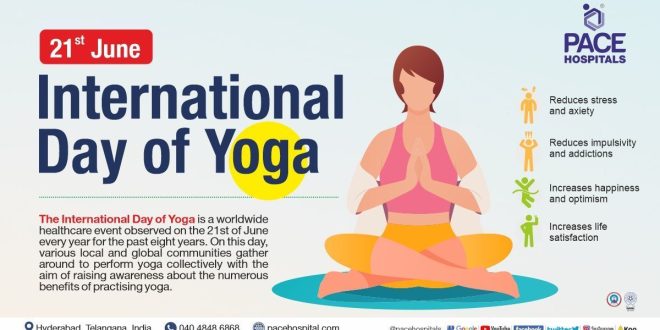
International Day of Yoga, celebrated annually on June 21st, is more than just a global event showcasing impressive asanas. It’s a reminder of the profound connection between mind and body, and the potential for practices like meditation to significantly impact our mental health and overall well-being. As we approach International Day of Yoga 2025, it’s a perfect time to explore the science-backed benefits of incorporating meditation into your daily routine and discover how it can improve your life. Seriously, have you ever wondered if all that “om” stuff actually works? Turns out, there’s some pretty solid science behind it.
Understanding Meditation and Its Forms
What is Meditation?
Meditation, at its core, is training your mind. It’s not about switching off completely—trust me, I’ve tried, and my brain just doesn’t do “off”—but about learning to observe your thoughts and emotions without getting swept away by them. Think of it like watching clouds drift by. You see them, but you don’t jump on for a ride, right?
Different Types of Meditation
Okay, so there’s a whole buffet of meditation styles out there. You’re bound to find one that clicks. Here are a few popular ones:
- Mindfulness Meditation: This one’s all about being present. You focus on what’s happening right now—your breath, the sounds around you, the way your body feels. No dwelling on the past or stressing about the future.
- Samatha-Vipassana Meditation: I’ll admit, the name sounds a bit intimidating, but it’s just about cultivating calm and insight. Breath awareness is key, followed by observing your thoughts mindfully.
- Transcendental Meditation (TM): Ever heard of people chanting mantras? This is it. You use a specific mantra to quiet your mind. Apparently, it can get you into a super relaxed state.
- Loving-Kindness Meditation (Metta): This one’s lovely. You focus on cultivating feelings of love and compassion—first for yourself (important!), then for others. Even for that annoying coworker. Okay, maybe start with your pet.
- Yoga Nidra: “Yogic sleep!” But you’re not actually asleep, though you’ll probably feel incredibly rested afterward. It’s a guided meditation that takes you to a state of deep relaxation and healing.
The Benefits of Meditation for Mental Health
Reducing Stress and Anxiety
This is a big one. Meditation has been shown to lower cortisol levels—that’s the stress hormone. Less cortisol equals less anxiety. I’m not saying it’s a magic bullet, but it can definitely take the edge off. You know, that constant feeling of being overwhelmed? Gone. Or at least, significantly reduced.
Improving Focus and Concentration
In this age of constant notifications and distractions, who couldn’t use a little more focus? Meditation trains your mind to stay present, which can make you way less scatterbrained. Think of it as mental weightlifting. You build up your “focus muscles.”
Enhancing Emotional Regulation
Ever have those moments where you just can’t seem to control your emotions? Meditation can help. It allows you to become more aware of your feelings and gives you tools to manage them instead of them managing you. It’s about becoming the captain of your emotional ship, instead of just a passenger being tossed around by the waves.
Combating Depression
Mindfulness-based cognitive therapy (MBCT), which includes meditation, has been proven effective in preventing relapses in people with recurrent depression. It’s not a replacement for medical treatment, of course, but it can be a valuable tool in your mental health toolkit.
Promoting Better Sleep
A racing mind is the enemy of good sleep. Meditation can calm your thoughts and relax your body, making it much easier to drift off. No more counting sheep until 3 AM! Hopefully.
Incorporating Meditation into Your Daily Routine
Start Small
Don’t try to become a meditation master overnight. Begin with just 5-10 minutes a day. You can always increase the time as you get more comfortable. Baby steps, my friend. Baby steps.
Find a Quiet Space
Choose a place where you can sit or lie down without being interrupted. Your bedroom, a corner of your living room, even your backyard (weather permitting) can work. Just make sure it’s a space where you feel safe and relaxed.
Use Guided Meditations
Especially when you’re starting out, guided meditations can be super helpful. There are tons of apps and online resources that offer them. They can guide you through different techniques and keep you on track when your mind starts to wander. Which it will. It’s okay.
Be Patient and Persistent
It takes time to develop a meditation habit. Don’t get discouraged if your mind wanders (it will) or if you don’t feel instant enlightenment (spoiler alert: you probably won’t). Just keep practicing, and eventually, it will become easier and more natural.
Connect with International Day of Yoga 2025
Keep an eye out for local or online events associated with International Day of Yoga 2025. These often include guided meditation sessions, workshops, and discussions. It’s a great way to connect with others and deepen your practice. Details of specific locations and events are, of course, to be announced at a later date closer to the time.
So, as International Day of Yoga 2025 rolls around, why not give meditation a try? It might just be the thing you need to bring a little more calm, focus, and overall well-being into your life. What have you got to lose, except maybe a little stress? Give it a shot and see what happens. I’d love to hear about your experiences!