Living Happy
Well-being and memory, while seemingly disparate, are increasingly recognized as interconnected aspects of overall health. Research suggests that a state of well-being, encompassing positive emotions, life satisfaction, and social connectedness, can significantly influence cognitive functions, particularly memory processes. So, could feeling good actually help you remember things better? This article will delve into the relationship between well-being and memory, exploring potential mechanisms, supporting evidence, and practical implications for promoting both cognitive health and overall life satisfaction. Let’s see if we can boost those brain cells just by being a little happier, shall we?
The Link Between Well-being and Cognitive Function
Understanding Well-being
Well-being is a word we toss around a lot, but what does it really mean? It’s more than just not being sick, you know? It’s a holistic concept that includes your emotional state, your psychological outlook, and how connected you feel to the world around you. Key components of well-being include feeling happy, being satisfied with your life, having resilience when things get tough (and they always do, right?), and feeling like you have a solid support system. Basically, it’s about thriving, not just surviving.
Cognitive Functions Impacted by Well-being
Okay, so well-being is important, got it. But how does it relate to your brain? Well, it’s not just memory that gets a boost. A positive state of mind can contribute to overall cognitive performance. I mean, think about it: when you’re stressed and overwhelmed, can you really focus? Probably not. Well-being also influences things like attention, executive function (that’s your brain’s CEO), and processing speed. So, feeling good can actually make you, well, smarter. Or at least, help you use your smarts more effectively. Now who doesn’t want that?
How Well-being Affects Memory
The Role of Stress and Cortisol
Stress. We all know it, we all hate it. But did you know it’s a memory thief? Chronic stress and elevated cortisol levels, which are often associated with feeling down or having low well-being, can negatively impact memory consolidation and retrieval. In other words, when you’re stressed, your brain has a harder time forming new memories and pulling up old ones. This is because of some complicated physiological pathways, but basically, stress hormones mess with your brain’s ability to function properly. So, take a deep breath, maybe do some yoga. Your memory will thank you.
Neuroplasticity and Brain Health
Here’s a fun word: neuroplasticity! It basically means your brain’s ability to adapt and form new connections throughout your life. And guess what? Well-being can promote it! This is crucial for memory because those new connections are what allow you to learn and remember things. We’re talking brain regions like the hippocampus (a memory powerhouse) and the prefrontal cortex (the decision-maker). So, by prioritizing your well-being, you’re essentially giving your brain a workout and keeping it flexible and strong. Think of it like brain yoga! (Brain yoga… I should trademark that.)
The Impact of Social Connection
Humans are social creatures; it’s just how we’re wired. Strong social connections, a key aspect of well-being, provide cognitive stimulation and emotional support. And that support can buffer against cognitive decline and enhance memory function. Think about it: chatting with friends, debating with colleagues, even gossiping with neighbors – it all keeps your brain engaged! Plus, having people to lean on when things get tough reduces stress, which, as we learned earlier, is a memory killer. So, call a friend, join a club, or just strike up a conversation with a stranger in line at the grocery store. You might be surprised at the memory boost you get.
Evidence Supporting the Connection
Research Studies on Well-being and Memory
Okay, okay, so all this sounds good in theory, but what does the science say? Well, a bunch of research studies have actually looked at the relationship between well-being and memory performance in different populations. And many of them have found a positive link! For example, studies have shown that people who report higher levels of happiness and life satisfaction tend to perform better on memory tests. Of course, correlation doesn’t equal causation (as the scientists always say), but it’s definitely suggestive. It suggests a connection!
Longitudinal Studies and Cognitive Decline
Even more interesting are longitudinal studies. These studies track people’s well-being and cognitive function over time. This provides valuable insights into the long-term impact of well-being on memory and the risk of cognitive decline. What they are finding is that maintaining a good sense of well-being throughout your life may actually protect against memory loss as you age. It’s like building a cognitive reserve that you can draw on later in life. Pretty cool, huh?
Strategies to Improve Well-being and Memory
Mindfulness and Meditation
Ready to boost that well-being and sharpen that memory? Mindfulness practices and meditation techniques can reduce stress, improve emotional regulation, and enhance attention – all of which ultimately benefit both your well-being and your memory. Even just a few minutes of daily meditation can make a difference. Find a quiet spot, close your eyes, and focus on your breath. And if your mind wanders? That’s okay! Just gently bring it back to your breath. It’s a practice, not perfection. I still have trouble sometimes focusing my brain.
Physical Activity and Exercise
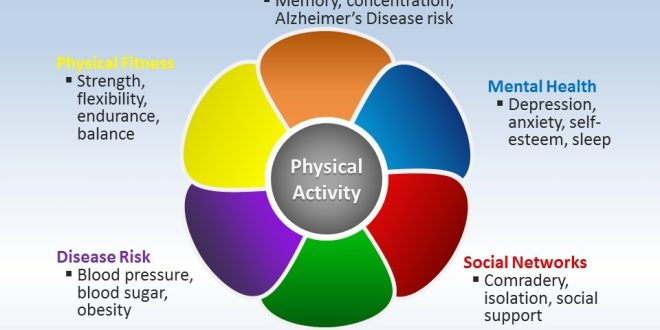
You know the drill: exercise is good for you. But it’s not just good for your body – it’s also good for your brain! Regular physical activity has been shown to improve both well-being and cognitive function, including memory. So, what’s the optimal type and intensity of exercise? Honestly, whatever you enjoy and will stick with! Whether it’s a brisk walk, a challenging hike, a dance class, or a weightlifting session, just get moving. Your brain (and your body) will thank you.
Social Engagement and Community Involvement
Remember how social connections are important? Here’s a practical way to boost them! Actively engaging in social activities and contributing to your community can foster a sense of belonging and purpose. This can then boost your well-being and support your cognitive health. Volunteer at a local charity, join a book club, or simply strike up a conversation with your neighbors. It’s all about feeling connected and making a difference. Makes you feel good inside, doesn’t it?
Healthy Diet and Nutrition
You are what you eat, as they say. And a balanced and nutritious diet is crucial for both your well-being and your memory function. Focus on foods rich in antioxidants (like berries and leafy greens) and omega-3 fatty acids (like fish and nuts). These nutrients can protect your brain from damage and improve cognitive function. So, ditch the processed junk food and load up on the good stuff. Your brain will be so happy you did.
So, there you have it. Well-being really does play a significant role in supporting healthy memory function throughout life. By prioritizing strategies that promote emotional, psychological, and social well-being, you can potentially enhance your cognitive resilience and maintain a sharp mind for years to come. Further research is always needed to fully understand the intricate mechanisms involved, but the existing evidence strongly suggests that cultivating well-being is a valuable investment in your cognitive health. Why not give it a try? What have you got to lose, other than a few bad memories?