Living Happy
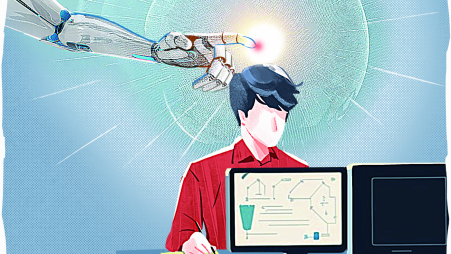
The buzz around Artificial Intelligence (AI) is everywhere, and it’s definitely made its way into schools. You’ve probably heard about it, maybe even used it. But is AI truly helping students learn better, or is it just another distraction disguised as a helpful tool? It’s a question worth asking, especially as AI gets more and more integrated into the classroom. It’s kind of a big deal, and honestly, I’m not entirely sure what to think about it all. Let’s dive into the good, the bad, and the maybe-we-need-to-think-about-this of AI in education.
The Potential Benefits of AI in Education
Personalized Learning Experiences
Imagine a world where lessons are tailored just for you. That’s the promise of AI! Think about it: no more struggling through stuff you already get, and more time spent on the things you find tricky. AI can analyze how you learn, identify your strengths and weaknesses, and then adjust the learning material accordingly. Pretty cool, right? I mean, who wouldn’t want a learning experience that’s designed specifically for them?
Automated Grading and Feedback
Let’s be real, grading papers is a drag for teachers. AI can automate a lot of that, freeing up educators to spend more time actually teaching and connecting with students. And for you, the student, this means faster feedback. No more waiting weeks to find out how you did on an assignment! Plus, AI can provide more detailed insights into your performance, highlighting areas where you excelled and where you need to improve. It’s like having a personal tutor giving you instant analysis. Well, almost.
Accessibility for All Students
AI has the potential to make education more accessible to everyone, regardless of their learning style or physical limitations. For example, AI-powered tools can provide real-time translation for students who speak different languages, or convert text to speech for students with visual impairments. It can also personalize the learning experience for students with learning disabilities, providing them with the support they need to succeed. It’s about leveling the playing field, and that’s something I can definitely get behind.
The Potential Drawbacks of AI in Education
Over-Reliance and Reduced Critical Thinking
Here’s where things get a bit dicey. If you become too reliant on AI to solve problems, will you actually learn how to think for yourself? Will you still be able to analyze information, form your own opinions, and come up with creative solutions? Or will you just become a robot, blindly following the AI’s instructions? It’s a valid concern, and one that we need to take seriously. I mean, what happens when the AI is wrong?
Data Privacy Concerns
AI systems collect a lot of data about you – your learning habits, your strengths and weaknesses, even your personal interests. How is that data being used? Is it secure? Who has access to it? These are important questions that need to be addressed. You don’t want your personal information falling into the wrong hands, right? It’s a scary thought, honestly.
The Digital Divide and Equity Issues
Not everyone has equal access to technology. If AI becomes an integral part of education, what happens to students who don’t have computers or reliable internet access at home? Will they be left behind? We need to make sure that AI doesn’t exacerbate existing inequalities in education. It’s just not fair if some students have a huge advantage simply because they have better access to technology. It’s something to consider, isn’t it?
Striking a Balance: How to Effectively Integrate AI
Teacher Training and Professional Development
Teachers need to be trained on how to use AI effectively in the classroom. They need to understand its potential benefits and drawbacks, and they need to know how to integrate it into their teaching in a way that enhances learning, rather than hindering it. It’s not just about throwing technology into the classroom and hoping for the best. There needs to be a plan, and teachers need to be equipped to execute that plan. Makes sense, right?
Focus on Foundational Skills
Even with AI, it’s crucial to continue focusing on foundational skills like reading, writing, and critical thinking. AI should be used to supplement these skills, not replace them. You still need to be able to think for yourself, even in a world where AI is doing a lot of the heavy lifting. Those skills are timeless, no matter what new tech comes along.
Ethical Considerations and Guidelines
We need to establish clear ethical guidelines for the use of AI in education. These guidelines should address issues like data privacy, bias, and fairness. We need to make sure that AI is being used in a way that is ethical and responsible. It’s not just about what we can do with AI, but what we should do. It’s a big responsibility, and we need to get it right.
So, is AI a learning assistant or a productivity killer? The truth is, it’s probably a little bit of both. It has the potential to revolutionize education, but it also poses some serious risks. The key is to find a balance, to use AI in a way that enhances learning without sacrificing critical thinking skills or exacerbating existing inequalities. It’s up to educators, policymakers, and even you, the students, to shape the future of AI in education. It’s a brave new world, and we’re all figuring it out together. What do you think?