Living Happy
As the foundations of a child’s lifelong journey are laid, early childhood development holds immense significance. This period, spanning from birth to age five, shapes the trajectory of a child’s cognitive, emotional, social, and physical well-being.
Despite its profound impact, many children globally face challenges that hinder their optimal development. From inadequate nutrition to limited access to quality education and healthcare, these obstacles can have lasting consequences. Delving into the complexities of early childhood development, this article aims to shed light on its significance, the challenges it faces, and promising strategies for nurturing healthy and thriving children.
Understanding the importance of early childhood development will empower individuals, communities, and governments to prioritize the well-being of our future generations.
Early Childhood Development: Laying the Foundation for a Bright Future
Early childhood development is a critical period that sets the stage for a child’s physical, cognitive, social, and emotional well-being. From the moment they are born, children are immersed in a world of experiences that shape their brain development and future outcomes.
During this time, children rapidly develop in all areas, including:
- Physical: Developing motor skills, coordination, and sensory processing.
- Cognitive: Acquiring language, problem-solving abilities, and memory.
- Social: Interacting with others, developing empathy, and forming friendships.
- Emotional: Expressing emotions, regulating behavior, and forming secure attachments.
Importance of Early Childhood Development
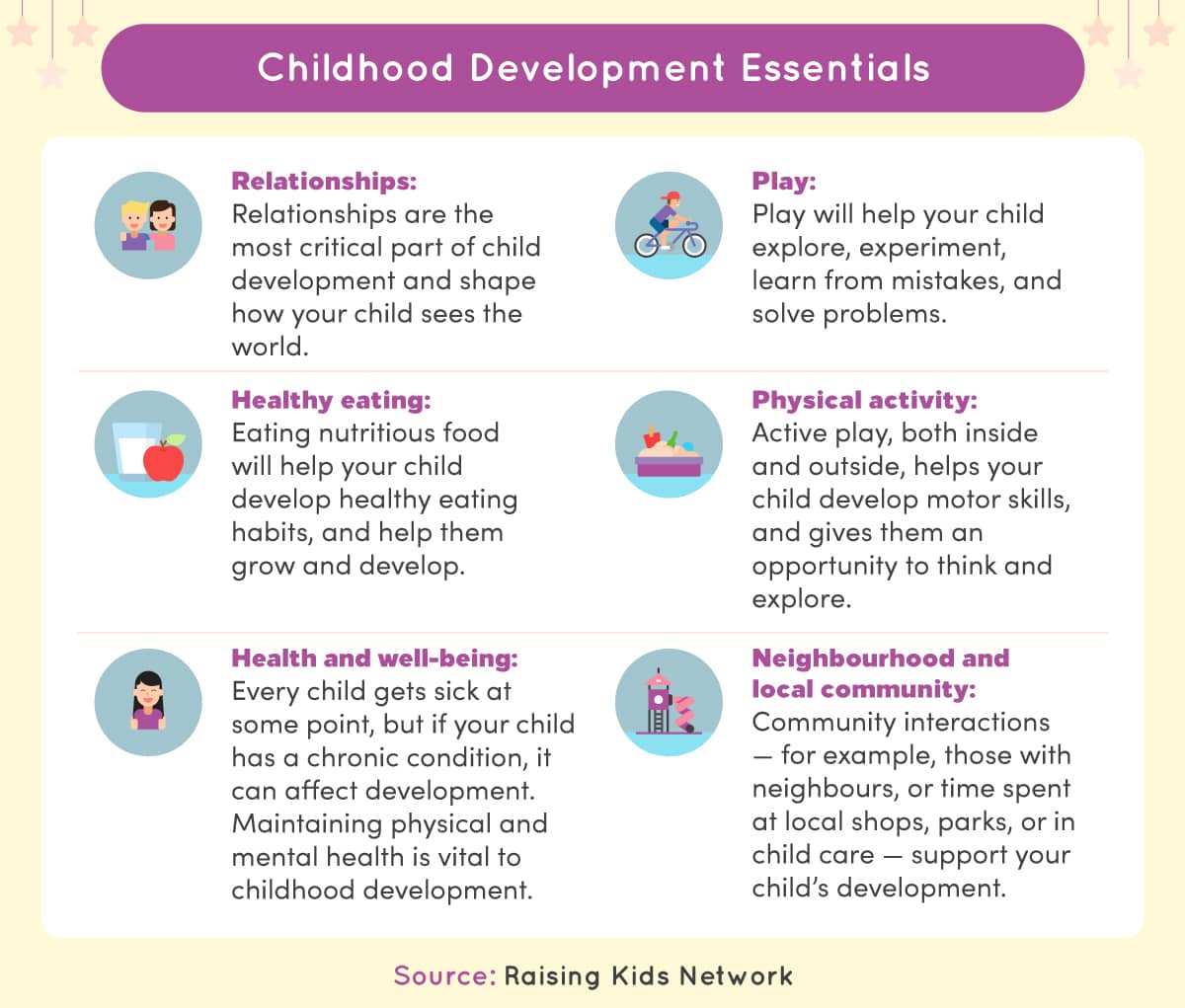
Early childhood development plays a vital role in determining a child’s future success in school, work, and relationships. Children who experience positive developmental experiences during their early years are more likely to:
- Have higher cognitive abilities
- Be emotionally resilient
- Possess strong social skills
- Lead healthy lives
- Make positive contributions to society
Factors Influencing Early Childhood Development
Numerous factors influence a child’s early development, including:
- Genetics: Genes play a role in determining a child’s physical and behavioral characteristics.
- Prenatal environment: Nutrition, smoking, and alcohol use during pregnancy can affect a child’s health and development.
- Birth experience: Premature birth or low birth weight can lead to developmental challenges.
- Environment: A child’s home environment, access to quality education, and community resources can significantly impact their development.
Supporting Healthy Early Childhood Development
Parents, educators, and communities can play crucial roles in supporting healthy early childhood development by providing:
- Nurturing and responsive care: Responding to a child’s needs, providing emotional support, and engaging in stimulating activities.
- Safe and stable environment: Ensuring a child’s basic needs are met, providing a predictable routine, and minimizing stress.
- Quality education and childcare: Offering opportunities for learning, socialization, and skill development.
- Community support: Connecting families with resources such as early intervention services, parent education programs, and healthcare.
Challenges to Early Childhood Development
Despite the profound importance of early childhood development, many children face significant challenges that hinder their optimal development:
– Poverty: Children living in poverty may experience food insecurity, inadequate housing, and limited access to quality healthcare and education, all of which can negatively impact their development.
– Neglect or abuse: Childhood trauma and abuse can have severe consequences for a child’s physical, emotional, and cognitive development.
– Lack of access to quality education: Children without access to quality early childhood education programs may miss out on critical opportunities for learning and socialization.
– Limited community support: Families living in communities with limited resources may struggle to access early intervention services, parent education programs, and other support systems.
Strategies for Nurturing Healthy Child Development
To address the challenges and promote healthy child development, a comprehensive approach is needed, involving:
– Investing in Early Childhood Education: High-quality early childhood education programs can provide a nurturing environment, cognitive stimulation, and social opportunities that are essential for optimal development.
– Early Intervention and Support: Early intervention services can help identify and address developmental challenges early on, mitigating their long-term impact.
– Parent Education and Support: Empowering parents with knowledge and skills can enhance their ability to provide nurturing and responsive care for their children.
– Community-Based Programs: Community-based programs, such as parent support groups and family resource centers, can provide families with access to resources and support systems.
– Addressing Social Determinants of Health: Tackling the underlying social and economic factors that contribute to poor child development, such as poverty and inequality, is crucial for promoting equitable opportunities for all children.
Conclusion
Early childhood development is a critical investment in our future. By understanding its importance, addressing the challenges it faces, and implementing effective strategies, we can nurture healthy and thriving children who will grow up to be productive and responsible members of society. The well-being of our future generations depends on our commitment to prioritizing early childhood development.
Impact of Early Childhood Development on Long-Term Outcomes
The experiences and developments children encounter during early childhood have lasting implications for their future. Those who receive adequate nurturing and support are more likely to:
- Achieve higher academic success: Early cognitive development lays the foundation for future learning and problem-solving abilities.
- Maintain better health: Healthy early development promotes physical, emotional, and mental well-being throughout life.
- Possess positive social relationships: Social skills acquired in early childhood enhance interpersonal interactions and reduce the likelihood of social isolation.
- Have stable careers: Children who experience positive early development are more likely to develop strong work ethic and become productive members of the workforce.
The Role of Early Intervention in Mitigating Adverse Experiences
Negative experiences, such as poverty, neglect, or abuse, can have detrimental effects on child development. Early intervention programs aim to identify and address these challenges:
- Early diagnosis: Early identification of developmental delays or disabilities allows for prompt intervention and support.
- Support for families: Intervention programs provide families with guidance, resources, and emotional support to navigate challenging circumstances.
- Long-term benefits: Early intervention can mitigate the negative impacts of adverse experiences and promote optimal development, leading to improved outcomes later in life.
Promoting Equitable Opportunities for All Children
To ensure all children have the opportunity to thrive, equitable access to high-quality early childhood programs and services is essential:
- Universal access: All children, regardless of socioeconomic status or background, should have access to affordable and high-quality early education and healthcare.
- Targeted support: Children from disadvantaged backgrounds may require additional support, such as subsidized childcare or home visiting programs, to overcome barriers and reach their full potential.
- Inclusive environments: Early childhood environments should be welcoming and inclusive of all children, regardless of race, ethnicity, gender, or disability.
The Importance of Collaboration and Partnerships
Nurturing healthy early childhood development requires collaboration and partnerships among multiple stakeholders:
- Parents and families: Parents play a pivotal role in their children’s early development. They should be actively involved in decision-making and supported in their parenting journey.
- Educators and caregivers: Early childhood educators and caregivers provide children with essential care, stimulation, and learning opportunities. They should be well-trained and supported.
- Healthcare professionals: Healthcare providers monitor children’s physical and mental health, identify potential developmental issues, and provide necessary interventions.
- Community organizations: Community organizations can offer a range of support services, such as parent education programs, after-school programs, and health screenings.