Living Happy
In the realm of education, the quest for excellence has led to the emergence of a pedagogical approach that has ignited a revolution in classrooms worldwide: mastery learning. Unlike traditional models that prioritize speed and coverage, mastery learning empowers students to truly grasp concepts before moving on, ensuring a deep and lasting understanding.
Its transformative power has captivated educators seeking to unlock the full potential of their students and has become an indispensable strategy in the pursuit of academic excellence.
Mastery Learning: A Revolutionary Approach to Education
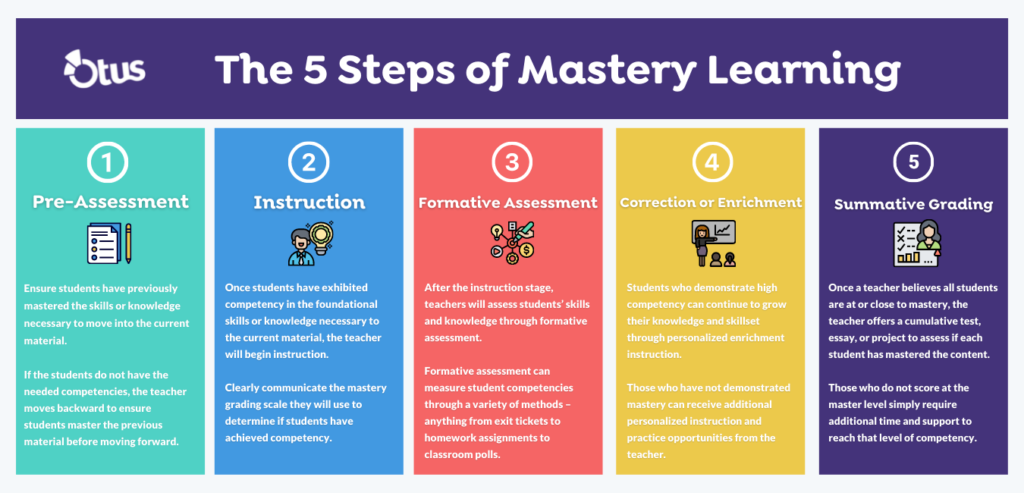
Mastery learning, also known as personalized learning, is a cutting-edge educational approach that empowers students to progress at their own pace and achieve genuine understanding. Unlike traditional methods that prioritize standardized instruction, mastery learning focuses on individualized learning paths and rigorous assessments to ensure concept mastery before moving on.
The mastery learning model has its roots in the works of renowned psychologist Benjamin Bloom, who proposed that all students can learn if given appropriate support and time. Mastery learning embraces this belief by creating a safe and supportive environment where students feel comfortable asking questions, seeking help, and taking risks without fear of judgment.
Mastery learning models encourage students to take ownership of their learning, actively participate in their education, and develop a lifelong love for knowledge and critical thinking. Its implementation fosters a classroom atmosphere of collaboration, peer support, and a shared commitment to learning success.
One of the fundamental principles of mastery learning is that of “reteaching.” Rather than advancing students to new material without ensuring comprehension, mastery learning loops back to reteach concepts that have not been fully grasped. This iterative approach reinforces understanding, builds confidence, and prevents knowledge gaps from accumulating.
The Components of Mastery Learning
Mastery learning comprises four essential components:
- Clear and Attainable Learning Goals: Objectives must be specific, measurable, and relevant to the curriculum. Students should be actively involved in setting learning goals to foster ownership and motivation.
- Diagnostics and Formative Assessments: Regular assessments, such as quizzes, discussions, and projects, provide ongoing feedback on student progress.
These assessments help pinpoint areas that require additional support or reteaching.
- Targeted Instructional Strategies: Based on assessment results, teachers tailor instruction to meet individual student needs. This may include providing extra support, enrichment activities, or alternative learning materials.
- Progress Monitoring and Feedback: Students receive continuous feedback on their learning through grading, rubrics, and regular progress reports.
Feedback is timely, specific, and actionable to support ongoing improvement.
Benefits of Mastery Learning
Mastery learning offers a multitude of benefits for students, including:
- Increased student achievement and deeper understanding of concepts
- Improved motivation and self-confidence as students master concepts
- Reduced stress and anxiety associated with traditional “sink or swim” grading systems
- Development of critical thinking, problem-solving, and self-assessment skills
- Preparation for higher education and future careers in a rapidly changing world
Implementation of Mastery Learning
Successful implementation of mastery learning requires a well-structured and supportive environment. Key considerations include:
- Teacher Training: Educators must be proficient in mastery learning principles and practices to effectively implement the approach.
- Curriculum Design: The curriculum should be broken down into smaller, manageable units with clearly defined learning goals.
- Assessment Tools: A variety of diagnostic and formative assessments are essential to monitor student progress and guide instruction.
- Classroom Management: Establishing a positive and supportive classroom culture is crucial to foster student engagement and collaboration.
Challenges of Mastery Learning
While mastery learning offers numerous benefits, it also presents some challenges:
- Time Constraints: Mastery learning can require more time than traditional instruction, as students progress at their own pace.
- Teacher Workload: Tailoring instruction and providing individualized feedback can increase teacher workloads.
- Resistance to Change: Both educators and students may initially resist a departure from traditional teaching and learning methods.
- Equity Issues: Ensuring equitable access to resources and support for all students is essential to address potential equity gaps.
Mastery Learning in Practice
Mastery learning has been successfully implemented in various educational settings, including:
- K-12 Education: Individualized learning paths and continuous assessment support student success in core subjects.
- Higher Education: Mastery-based courses allow students to progress at their own pace and demonstrate deep understanding.
- Corporate Training: Mastery learning approaches enhance employee development and skill acquisition in the workplace.
Conclusion
Mastery learning is a transformative educational approach that empowers students to achieve true understanding and lifelong learning success. By adhering to its principles and addressing its challenges, educators can create classrooms where every student reaches their full potential.
Personalized Learning in Mastery Learning
Mastery learning is grounded in the belief that students have unique learning styles and paces. Personalized learning is a key component of mastery learning that recognizes these individual differences and tailors instruction accordingly. Personalized learning can take various forms, including:
- Flexible Grouping: Students are grouped based on their needs and learning goals, enabling targeted instruction and collaboration.
- Differentiated Instruction: Teachers use a variety of teaching methods, resources, and activities to meet the diverse learning needs of students.
- Self-Paced Learning: Students progress through the curriculum at their own pace, allowing them to master concepts before moving on.
Technology and Mastery Learning
Technology can be a powerful tool in supporting mastery learning. Online learning platforms, adaptive assessments, and virtual reality simulations can enhance the learning experience and provide personalized feedback. Technology can also support collaboration and communication among students, fostering a sense of community and shared learning.
However, it is crucial to use technology intentionally and as a supplement to face-to-face instruction. Technology should not replace the human connection and support that is essential for mastery learning.
Assessment in Mastery Learning
Assessment plays a central role in mastery learning as it provides feedback on student progress and guides instructional decisions. Effective mastery learning assessments should be:
- Diagnostic: Identifying areas where students need additional support.
- Formative: Providing ongoing feedback and allowing students to track their progress.
- Summative: Evaluating overall student achievement and identifying areas for improvement.
In mastery learning, grading systems are often modified to emphasize progress and growth rather than absolute scores. Students may earn mastery credits or badges for demonstrating proficiency in specific concepts or skills.
Challenges and Solutions in Mastery Learning
Despite its transformative potential, mastery learning implementation can face challenges:
- Equity: Ensuring equal access to resources, support, and high-quality instruction for all students.
- Resistance to Change: Educators and students may resist a shift from traditional methods.
- Time Constraints: Mastery learning can require more time than traditional approaches.
To address these challenges, schools and educators can:
- Provide Professional Development: Empower educators with the knowledge and skills to effectively implement mastery learning.
- Address Student Needs: Identify and address the specific learning needs of students, particularly those from marginalized or underserved backgrounds.
- Foster a Growth Mindset: Encourage students and educators to embrace the idea that all students can learn and achieve.
Conclusion
Mastery learning is a powerful educational approach that empowers students to reach their full potential. By embracing personalized learning, utilizing technology effectively, and implementing a comprehensive assessment strategy, educators can create inclusive and transformative learning environments where every student can succeed.
As mastery learning continues to evolve, it has the potential to revolutionize education, ensuring that all students have the opportunity to learn, grow, and thrive.