Living Happy
Obesity and overweight aren’t just buzzwords you hear on the news; they’re real challenges affecting countless lives around the globe. It’s not just about how you look, but about your overall health and well-being. Understanding what causes these conditions, what problems they can lead to, and how to manage them is super important for everyone. So, let’s dive in, shall we?
Body Mass Index (BMI)
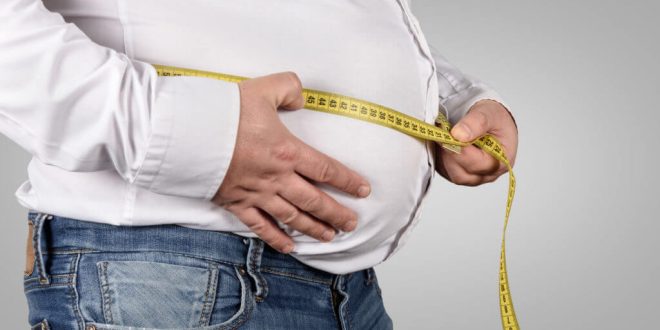
You’ve probably heard of Body Mass Index, or BMI. It’s a pretty common way to figure out if someone is at a healthy weight. Basically, it’s a number that comes from your weight and height. You take your weight in kilograms and divide it by your height in meters squared (kg/m2). Simple enough, right?
WHO Criteria for BMI
Now, the World Health Organization, or WHO, has set some standards using BMI. If your BMI is 25 or higher, you’re considered overweight. If it’s 30 or higher, that’s considered obesity. These numbers are like guideposts to help you understand where you stand. But, you know, numbers aren’t everything.
Limitations of BMI
Okay, so BMI is handy, but it’s not perfect. It doesn’t actually measure body fat, which is what really matters. Athletes, for instance, might have a high BMI because they’ve got a lot of muscle, not fat. So, while BMI is a good starting point, it’s just one piece of the puzzle. Always good to keep that in mind, eh?
Causes of Obesity and Overweight
Energy Imbalance
At its core, being overweight or obese usually comes down to a simple equation: too many calories in, not enough calories out. When you eat more than you burn, your body stores the extra as fat. I mean, makes sense, doesn’t it?
Dietary Factors
What you eat plays a massive role. Stuff that’s packed with fat, sugar, and processed carbs can really contribute to weight gain. Think about it: that daily soda or those late-night chips can really add up. Not pointing fingers, just sayin’.
Physical Inactivity
We’re all guilty of it sometimes – spending too much time on the couch. But a sedentary lifestyle, where you’re not moving much, means you’re not burning many calories. And you know what that means: higher risk of obesity. So maybe a walk around the block wouldn’t hurt?
Genetic Predisposition
Turns out, your genes can play a role too. Some people are just more likely to gain weight because of their genetics. It’s not a free pass, but it’s definitely a factor. Thanks, Mom and Dad!
Environmental Factors
Your surroundings matter more than you might think. Are there healthy food options nearby? Do you feel safe walking around your neighborhood? All these things influence how you eat and exercise. It’s a real head-scratcher when you think about it.
Medical Conditions and Medications
Believe it or not, some medical conditions, like hypothyroidism, and certain medications, like corticosteroids, can lead to weight gain. If you’re concerned, definitely chat with your doctor about it. Better safe than sorry, right?
Health Consequences of Obesity and Overweight
Cardiovascular Diseases
Obesity can seriously mess with your heart. It raises your risk of heart disease, stroke, high blood pressure, and high cholesterol. Basically, it puts a lot of extra stress on your ticker. Not fun.
Type 2 Diabetes
This is a big one. Obesity is a major risk factor for type 2 diabetes because it makes your body resistant to insulin. Managing your weight can really help keep diabetes at bay. Think of it like dodging a bullet.
Certain Cancers
Yep, obesity is linked to a higher risk of certain cancers, like breast, colon, and kidney cancer. It’s yet another reason to keep an eye on your weight. The body is such a connected thing, isn’t it?
Musculoskeletal Disorders
Carrying extra weight puts a lot of stress on your joints and bones, which can lead to osteoarthritis, back pain, and other musculoskeletal problems. It’s like your body is constantly carrying a heavy backpack. Ouch!
Sleep Apnea
Obesity can cause obstructive sleep apnea, where you stop breathing repeatedly during sleep. It’s not only annoying but can also lead to other health problems. Getting good sleep is essential, you know?
Mental Health Issues
Being overweight can also affect your mental health. It can contribute to depression, anxiety, and low self-esteem. It’s important to take care of your mind as well as your body. After all, it’s all connected.
Managing Obesity and Overweight
Lifestyle Modifications
Okay, so how do you tackle this? The main thing is making changes to your lifestyle. That means tweaking your diet and getting more active. It’s not always easy, but it’s worth it. Small steps, right?
Dietary Strategies
Focus on eating whole, unprocessed foods. Watch your portion sizes and cut back on sugary drinks and processed stuff. It’s about making smarter choices, not starving yourself. Balance is key.
Physical Activity Recommendations
Aim for at least 150 minutes of moderate-intensity aerobic activity per week, or 75 minutes of vigorous-intensity. Find something you enjoy, whether it’s dancing, hiking, or biking. Makes it easier to stick with it, doesn’t it?
Behavioral Therapy
Sometimes, it helps to get some professional guidance. Behavioral therapy can help you identify and change unhealthy eating and exercise habits. It’s like having a coach in your corner. Everyone needs one sometimes.
Medications
In some cases, your doctor might prescribe medication to help with weight loss. But these are usually used along with lifestyle changes, not as a quick fix. Medicine is just one tool among many.
Bariatric Surgery
For people with severe obesity who haven’t had success with other methods, bariatric surgery might be an option. It’s a big decision, but it can be life-changing for some. It’s certainly something to discuss with your doctor if you think it’s right for you.
Prevention of Obesity and Overweight
Promoting Healthy Eating Habits
Starting healthy eating habits early in life is super important. Educate kids about healthy food choices and make sure they have access to nutritious options. It’s setting them up for a lifetime of good health. Like planting a seed.
Encouraging Physical Activity
Get kids moving! School programs, community initiatives, and accessible recreational facilities can all help. Make it fun, not a chore. Recess forever, I say!
Creating Supportive Environments
Change starts with creating environments that support healthy choices. Policies that limit junk food marketing and promote walkable neighborhoods can make a big difference. It’s about making the healthy choice the easy choice. And wouldn’t that be nice?
So, there you have it – a look at the ins and outs of obesity and overweight. It’s a complex issue, but understanding the causes, consequences, and ways to manage and prevent it can empower you to make positive changes in your life and the lives of those around you. Why not start small? Maybe swap that soda for water today? Or take a quick walk during your lunch break? Every little bit counts! And hey, if you have any thoughts or experiences on this, feel free to share. We’re all in this together, right?