Living Happy
Education, a cornerstone of society, shapes the lives of individuals and communities. But beyond the classroom walls lies a fascinating world of social dynamics that influence how we learn, teach, and experience education. Enter the realm of the sociology of education, a field that delves into the intricate relationship between education and society.
By exploring the interplay of social factors, power structures, and educational outcomes, the sociology of education empowers us to understand and address the complex challenges facing our educational systems. Through this article, we will embark on a journey into this captivating field, unraveling the hidden forces that shape our educational experiences and fostering a deeper appreciation for the transformative power of education.
Sociology of Education
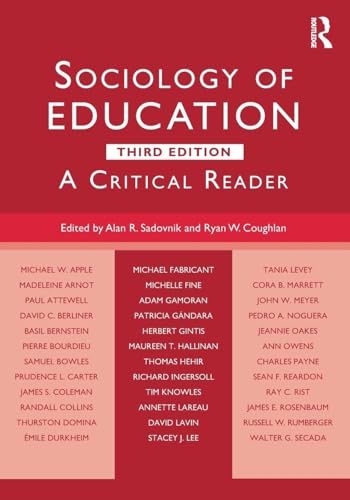
Sociology of education is a branch of sociology that studies the relationship between education and society. It explores how education systems shape and are shaped by social, economic, political, and cultural factors, and how these systems affect individuals and societies as a whole.
The sociology of education has a long history, dating back to the work of Émile Durkheim in the late 19th century. Durkheim argued that education is a key institution in modern societies, and that it plays a vital role in the socialization of individuals and the maintenance of social order.
Since Durkheim’s time, the sociology of education has expanded to encompass a wide range of topics, including:
- The role of education in social stratification
- The impact of education on economic development
- The relationship between education and social mobility
- The role of education in promoting social justice
The Role of Education in Social Stratification
One of the most important topics in the sociology of education is the role of education in social stratification. Social stratification refers to the unequal distribution of resources and opportunities in a society, and it can be based on a variety of factors, including income, education, occupation, and race.
Research in the sociology of education has shown that education plays a key role in the reproduction of social stratification. This means that children from advantaged backgrounds are more likely to succeed in school and go on to college, while children from disadvantaged backgrounds are more likely to drop out of school and have lower levels of educational attainment.
There are a number of reasons why education plays such a key role in social stratification. First, education provides individuals with the skills and knowledge they need to succeed in the labor market. Second, education helps individuals to develop the social networks and connections that are necessary for career success.
Third, education can help individuals to overcome the barriers to social mobility that they may face due to their race, gender, or other factors.
The Impact of Education on Economic Development
Education is also a key factor in economic development. Research has shown that countries with higher levels of educational attainment have higher levels of economic growth. This is because education provides individuals with the skills and knowledge they need to be productive workers and entrepreneurs.
Education can also help to promote economic development by increasing social mobility. When individuals have the opportunity to get a good education, they are more likely to be able to move up the economic ladder and contribute to the economy.
The Relationship between Education and Social Mobility
Social mobility is the movement of individuals from one social class to another. Education is a key factor in social mobility, as it can provide individuals with the skills and knowledge they need to move up the economic ladder.
Research has shown that education is one of the most important factors in determining an individual’s social mobility. Individuals with higher levels of educational attainment are more likely to move up the economic ladder, while individuals with lower levels of educational attainment are more likely to move down the economic ladder.
The Role of Education in Promoting Social Justice
Education can also play a key role in promoting social justice. Social justice refers to the fair and equitable distribution of resources and opportunities in a society. Education can help to promote social justice by providing individuals with the skills and knowledge they need to overcome the barriers to social mobility that they may face due to their race, gender, or other factors.
Education can also help to promote social justice by teaching individuals about the importance of diversity and inclusion. When individuals learn about different cultures and perspectives, they are more likely to be tolerant of others and to work towards creating a more just and equitable society.
Economic Inequality and Educational Attainment
Influence of Socioeconomic Status on School Success
Research in sociology of education highlights a strong correlation between socioeconomic status and academic achievement. Children from economically advantaged families tend to perform better in school, have higher standardized test scores, and pursue higher levels of education compared to their counterparts from disadvantaged backgrounds. This is attributed to multiple factors, including: access to quality early education programs, enrichment activities, private tutoring, and parental support.
Gaps in Educational Resources and Opportunities
Economic inequality translates into disparities in educational resources and opportunities. Students from lower socioeconomic backgrounds often attend schools with fewer resources, larger class sizes, and less experienced teachers. They may also face challenges such as inadequate nutrition, homelessness, and lack of access to technology, which can hinder their academic progress.
Cultural Capital and Educational Achievement
The Role of Cultural Capital in Education
Cultural capital, a concept developed by sociologist Pierre Bourdieu, encompasses the knowledge, skills, and dispositions that individuals acquire from their social and cultural environment. It plays a significant role in educational achievement, as it shapes students’ academic performance, educational aspirations, and access to elite educational institutions.
Cultural Mismatch and Education Outcomes
Cultural mismatch refers to the discrepancy between the cultural norms and values of students and those of the educational institution. This mismatch can hinder students’ engagement and success, particularly for students from marginalized cultural backgrounds. Understanding cultural differences and implementing culturally responsive teaching practices can mitigate this issue.
Educational Policy and School Reform
The Role of Education Policy in Shaping Educational Outcomes
Government policies and educational reforms significantly influence the educational experiences and outcomes of students. Policies related to funding, curriculum, teacher training, and educational standards can have profound effects on educational equity, access, and quality.
School Reform Movements and Their Impact
Various school reform movements, such as standards-based education, charter schools, and school choice, have aimed to improve educational outcomes for all students. However, the effectiveness and consequences of these reforms have been subjects of ongoing debate and research in the field of sociology of education.