Living Happy
Teaching methodology, the bedrock of effective education, holds the key to unlocking students’ potential. As educators, we navigate a labyrinth of approaches, each promising a path to academic success. Yet, with so many options, finding the methodology that aligns with our teaching style and students’ needs can be a daunting task.
Teaching Methodology: A Comprehensive Guide
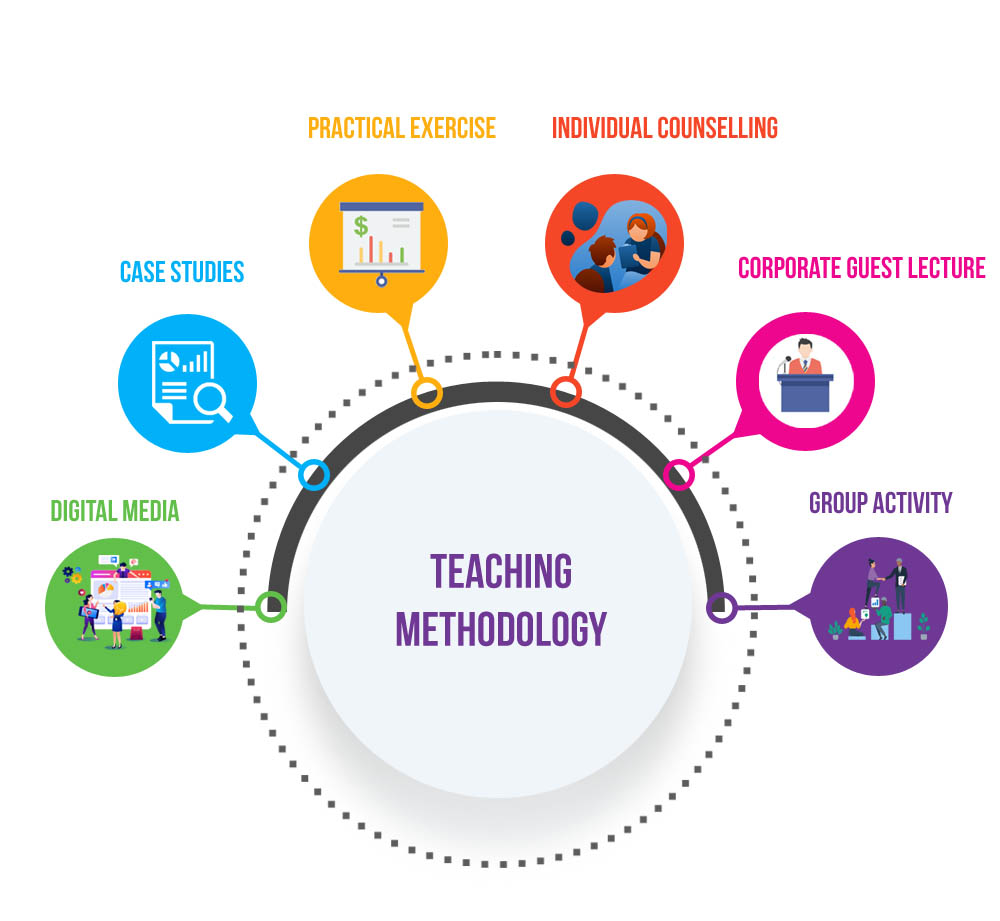
Defining Teaching Methodology
Teaching methodology refers to the systematic and organized approach used by educators to facilitate learning in students. It encompasses various techniques, strategies, and practices that aim to optimize the teaching-learning process, enhance student engagement, and achieve specific educational goals.
Choosing an appropriate teaching methodology involves considering factors such as the subject matter, student characteristics, learning objectives, and the educational context.
Effective methodologies align with the latest educational research and promote active learning, critical thinking, and problem-solving skills.
Approaches to Teaching Methodology
There are numerous approaches to teaching methodology, each with its unique strengths and applications. Some common approaches include:
- Teacher-Centered Approach: Focuses on direct instruction, with the teacher transmitting knowledge to students who passively receive it.
- Student-Centered Approach: Emphasizes student engagement, active learning, and the construction of knowledge through interactions and experiences.
- Inquiry-Based Approach: Encourages students to actively explore, investigate, and discover knowledge through questioning, problem-solving, and hands-on activities.
- Cooperative Learning Approach: Promotes collaboration and teamwork among students, fostering social and interpersonal skills.
Factors Influencing Teaching Methodology
The choice of teaching methodology is influenced by a range of factors, including:
- Subject Matter: Different subjects may require specific methodologies to effectively convey concepts and skills.
- Student Characteristics: Age, learning styles, abilities, and prior knowledge of students impact the suitability of different methodologies.
- Learning Objectives: The intended outcomes of a lesson or course guide the selection of teaching methods.
- Educational Context: Factors such as classroom size, available resources, and school culture influence the feasibility of certain methodologies.
Importance of Teaching Methodology
Employing an effective teaching methodology is crucial for optimizing the teaching-learning process and achieving desired educational outcomes. It:
- Enhances Student Engagement: Meaningful and engaging methodologies motivate students, fostering their interest and participation.
- Promotes Understanding: Effective methodologies promote deeper understanding by connecting new knowledge to existing concepts and experiences.
- Develops Critical Thinking Skills: Inquiry-based and problem-solving approaches encourage students to analyze, evaluate, and synthesize information.
- Fosters Independent Learning: Student-centered methodologies encourage students to take ownership of their learning and develop self-directed learning skills.
Benefits of Teaching Methodology
Embracing appropriate teaching methodologies offers numerous benefits in educational settings:
Enhanced Student Motivation: Methodologies designed to engage students, such as inquiry-based and cooperative learning approaches, foster a genuine interest in the subject matter, leading to increased motivation and participation.
Improved Academic Performance: Effective methodologies have been shown to positively impact student achievement. Active learning, problem-solving, and collaborative learning approaches have all been linked to higher academic performance.
Development of Cognitive and Soft Skills: Methodologies that promote critical thinking, problem-solving, communication, and interpersonal skills contribute to the holistic development of students, equipping them with essential skills for academic and life success.
Foster Inclusivity and Equity: Student-centered and cooperative learning approaches create inclusive learning environments where all students feel valued and supported, regardless of their background or learning style.
Challenges in Teaching Methodology
Despite the benefits, implementing effective teaching methodologies can also present challenges:
Time Constraints: Implementing engaging and interactive methodologies can be time-consuming, especially in large classes or with limited resources.
Professional Development: Adopting new methodologies requires ongoing professional development for educators to stay up-to-date with best practices and effectively implement them.
Resistance to Change: Educators may be reluctant to abandon familiar teaching methods, making it challenging to introduce new methodologies.
Student Heterogeneity: Accounting for individual student differences and learning styles can be difficult, and adapting methodologies to accommodate the diversity within a classroom is crucial.
Conclusion
Teaching methodology is the cornerstone of effective education. By carefully choosing and implementing methodologies that align with learning objectives, subject matter, student characteristics, and the educational context, educators can unlock students’ potential and foster a vibrant and productive learning environment. However, it is essential to acknowledge the challenges that may arise and continuously engage in professional development to enhance teaching methodologies and optimize student learning.
Best Practices in Teaching Methodology
Implementing effective teaching methodologies requires careful planning and adherence to best practices. Here are some essential considerations for educators:
1. Establishing Clear Learning Objectives: Clearly defining the intended learning outcomes guides the selection and implementation of appropriate methodologies.
2. Engaging Students Actively: Incorporating hands-on activities, interactive discussions, and problem-solving tasks fosters student engagement and deepens understanding.
3. Utilizing Technology Effectively: Integrating technology tools can enhance learning experiences by providing additional resources, interactive simulations, and personalized feedback.
4. Creating a Supportive Learning Environment: Establishing a positive and inclusive classroom atmosphere promotes student motivation and well-being.
5. Assessing Student Learning Continuously: Regular assessment through various methods provides timely feedback for students and helps educators refine their teaching strategies.
Emerging Trends in Teaching Methodology
The field of education is constantly evolving, with new methodologies emerging to meet the changing needs of students and the demands of the 21st-century job market:
1. Personalized Learning: Tailoring instruction to individual student needs through differentiated instruction, adaptive learning platforms, and flexible pacing.
2. Gamification: Incorporating game-like elements into learning to make it more engaging and motivating for students.
3. Project-Based Learning: Emphasizing hands-on, real-world projects that allow students to apply their knowledge and develop problem-solving skills.
4. Social-Emotional Learning: Integrating strategies to develop students’ self-awareness, empathy, and social skills for personal and academic success.
5. Blended Learning: Combining traditional face-to-face instruction with online learning resources to provide flexibility and personalized learning experiences.
Assessment in Teaching Methodology
Regular assessment is essential for evaluating the effectiveness of teaching methodologies and ensuring student learning. Some key assessment strategies include:
1. Quizzes and Tests: Formal assessments to measure student knowledge and understanding.
Observations: Informal assessments to observe student behavior, engagement, and participation.
Portfolios: Collections of student work that demonstrate their progress and skill development.
Self-Assessment: Encouraging students to reflect on their own learning and progress.
Peer Assessment: Providing opportunities for students to assess and provide feedback on each other’s work.