Living Happy
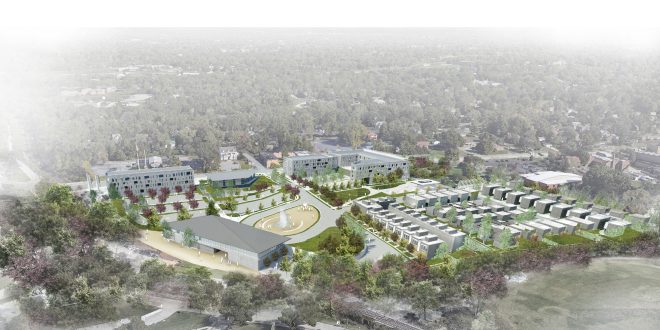
Ever notice how some neighborhoods just feel…alive? Like, you actually want to walk around, maybe grab a coffee, bump into a neighbor? That’s often by design. Urban planners are clued into something pretty important: our surroundings majorly affect our health. They’re not just arranging buildings; they’re orchestrating opportunities for us to get moving, and the goal is simple: get you out of that chair and into life. But how do they pull it off?
Designing for Walkability
Okay, let’s be real, nobody loves walking next to speeding cars on a cracked sidewalk. Walkability is all about making it easy and appealing to get around on foot. But what contributes to walkability? Is it just sidewalks?
Prioritizing Pedestrian Infrastructure
Think about the last time you actually enjoyed a walk. Chances are, the sidewalks were decent, right? I mean, wide, well-maintained sidewalks are crucial. Nobody wants to play hopscotch over cracks. And crosswalks? They gotta be safe, logically placed, and maybe even have those countdown timers so you’re not playing chicken with a minivan. And traffic calming? Genius! Speed bumps, narrower streets…anything to tell drivers, “Hey, slow down, people are trying to live here.”
Mixed-Use Development and Density
Ever driven 20 minutes just to grab a gallon of milk? Yeah, nobody wants that. That’s where mixed-use development comes in. It’s all about putting everything you need – homes, shops, parks – within walking distance. Plus, a little density helps. Not too much, nobody wants to live on top of each other, but enough so that things are actually close enough to walk to. Think of it as the “Goldilocks” of urban planning: not too sparse, not too crowded, just right.
Connectivity and Street Networks
Remember those old-timey movies where everyone lives on these confusing, winding streets? Yeah, that doesn’t help anyone. You need streets that actually connect to each other, grid-like patterns that give you options. No more of these cul-de-sacs of despair! More routes mean shorter distances and a more interesting walk. And less chance of accidentally ending up in your neighbor’s backyard.
Promoting Cycling as a Viable Transportation Option
Alright, so walking’s great, but what if you need to get somewhere a little further? Cycling to the rescue! It is a fantastic way to get around, stay active, and not contribute to all that traffic. But only if it feels safe and convenient, right?
Dedicated Bike Lanes and Paths
Confession: I’m a nervous biker! The idea of dodging cars makes me sweat. That’s why protected bike lanes are amazing – they’re like little highways just for bikes, separated from the craziness of car traffic. And those off-street paths that wind through parks and connect neighborhoods? Dreamy! Seriously, I’d actually use my bike more if I had those.
Bike Sharing Programs
Don’t own a bike? No problem! Bike-sharing programs are popping up everywhere, and they’re a game-changer. Affordable, accessible, and conveniently located stations? Yes, please! Makes it super easy to just hop on a bike for a quick trip without the commitment of ownership. Plus, you don’t have to worry about storing the darn thing!
Bike Parking and Amenities
Okay, so you bike to work… now what? You need somewhere to actually park your bike without it getting stolen! Secure bike parking at workplaces, apartments, and public spaces is a must. And how about some bike repair stations for those inevitable flat tires? That would be amazing. Little things like that can make a huge difference.
Creating Accessible Recreational Spaces
It’s not just about transportation, right? It’s also about having places to actually be active. Parks, community centers, places where you can run, play, or just chill outside. Seems obvious, but you’d be surprised how many communities lack these spaces.
Parks and Green Spaces
Parks, no matter how small, are essential. They’re little pockets of nature where you can escape the concrete jungle, breathe some fresh air, and maybe even spot a squirrel or two. And access is key – everyone, regardless of where they live, should have a park within easy reach. Makes sense, right?
Community Centers and Recreational Facilities
Beyond parks, community centers are where the magic happens. Affordable programs, gyms, swimming pools, activities for all ages… they’re the heart of an active community. And variety is important, too. Not everyone wants to play basketball. Some people want to do yoga, or dance, or whatever. You know?
Integrating Recreation into the Built Environment
What if you could work out while, like, walking to the store? That’s the idea behind integrating recreation into the built environment. Walking trails with exercise stations along the way, outdoor fitness equipment in parks… It’s about making activity accessible and convenient, so you don’t even realize you’re “exercising.” Sneaky, but effective!
The Role of Policy and Advocacy
So, urban planners can design all these amazing things, but they need the support of policies and community buy-in to really make it happen. It’s a team effort, after all.
Zoning Regulations
Zoning can either help or hinder active living. Regulations that support mixed-use development and pedestrian-friendly design are crucial. And maybe we could chill on the parking requirements a little? More parking just encourages driving. Reducing those requirements can nudge people towards alternative transportation. A little nudge in the right direction can make a huge difference.
Public Health Initiatives
Urban planners don’t work in a vacuum. Partnering with public health agencies is key. They can help promote active living, educate the public about the benefits of physical activity, and generally make sure everyone’s on board with the “healthy community” vision.
Community Engagement
Last, but definitely not least, you gotta get the community involved. Nobody wants a park or bike lane they didn’t ask for. Planners need to listen to residents, understand their needs and preferences, and gather feedback on proposed projects. After all, it’s their community, right?
So, there you have it. From sidewalks to zoning regulations, urban planners are working hard to create communities that encourage active lifestyles. It’s not just about aesthetics, it’s about your well-being. Next time you’re out for a stroll, take a look around and appreciate the thought that went into making your neighborhood a healthier place to live. And who knows, maybe you’ll be inspired to get even more active! Now, go on, get outside!